
News
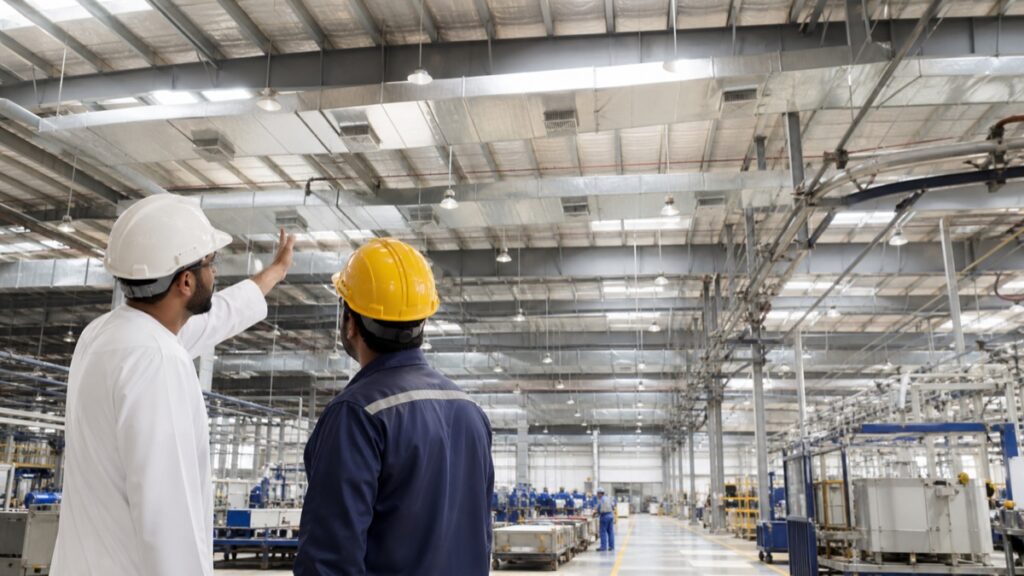
As hot-season operating conditions approach, POPULA workshop heat exhaust fan demand is increasing among manufacturers in the Middle East. High ceilings, solar heat gain and production equipment can create a persistent heat layer above the work area, so ventilation planning needs to begin before workshops become uncomfortable or process conditions are affected.
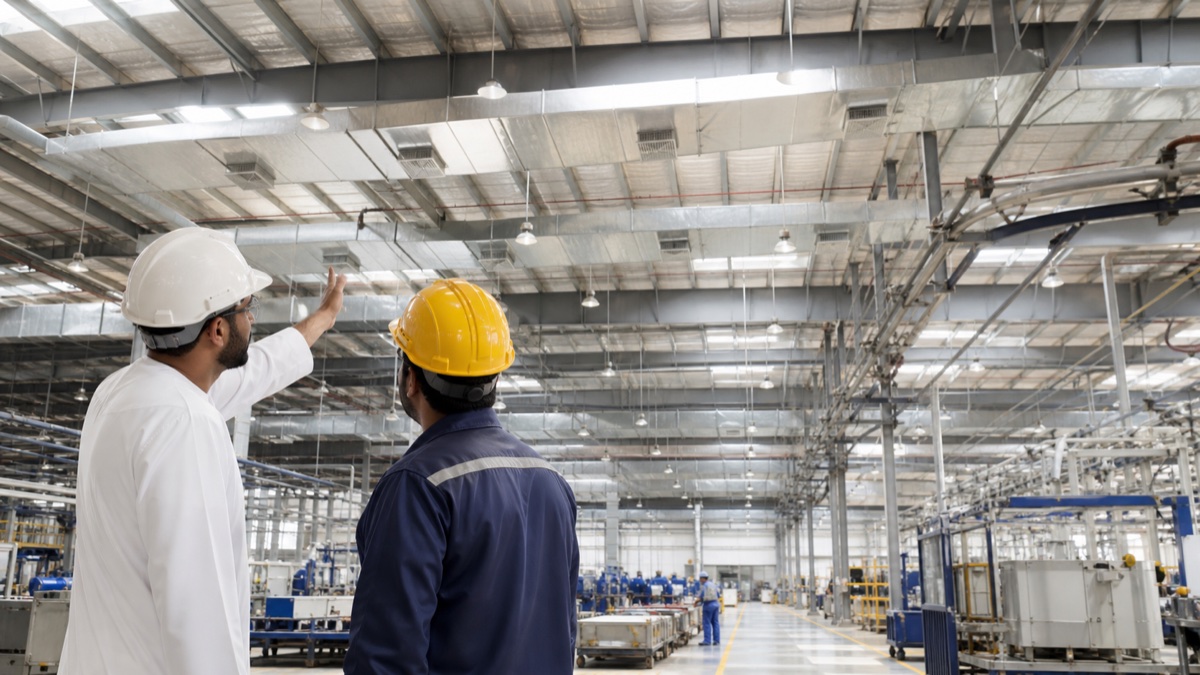
POPULA workshop heat exhaust fan planning for high-ceiling facilities
In high-ceiling workshops, hot air naturally rises and can remain trapped around roof level when there is insufficient exhaust capacity. A project review should first identify heat sources, building height, roof structure, existing openings and the route available for ductwork or roof discharge. This helps determine whether the system needs general exhaust, local extraction or a coordinated combination.
Why airflow planning should start before the hottest period
Waiting until peak temperatures arrive can make it harder to assess the real airflow path and arrange installation around production. Early planning gives facility teams time to inspect fans, louvers, roof penetrations, electrical supply and maintenance access. It also allows equipment selection to match the required airflow and static pressure rather than relying on a one-size-fits-all approach.
Matching ventilation equipment to the workshop layout
A practical heat-exhaust layout normally moves warm air from occupied production zones toward high-level exhaust points while allowing replacement air to enter through controlled openings or supply locations. For workshops with process heat concentrated in one area, local extraction can reduce the heat load before it spreads. For broad open floors, roof-level or wall-mounted exhaust can support overall air movement when selected for the site conditions.
POPULA support for seasonal ventilation projects
POPULA supports industrial ventilation projects with application-based fan selection for factory exhaust, fresh-air supply and process ventilation. Sharing the workshop dimensions, heat sources, operating hours and installation conditions allows the project team to recommend a more suitable configuration for the facility.